In This Guide
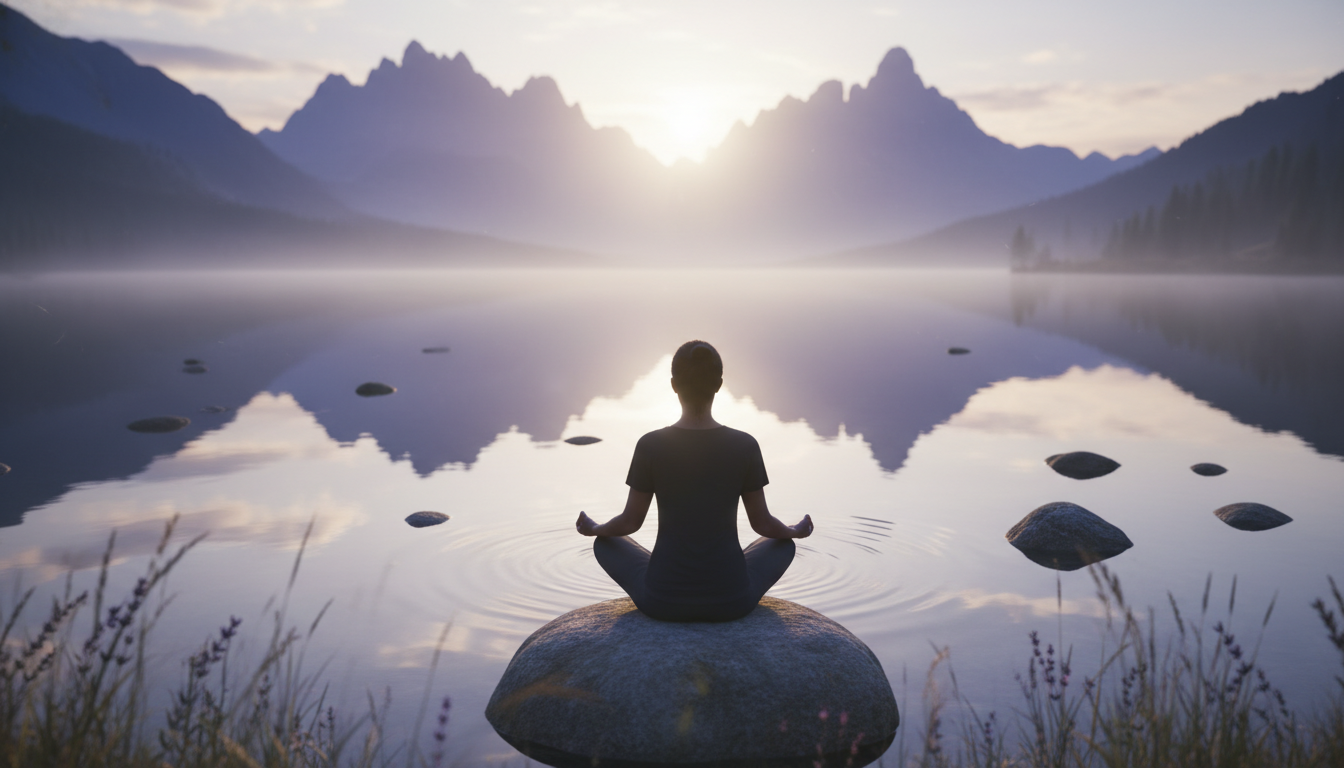
Inner peace seems like a luxury in our fast-paced, always-connected world. But it's not a luxury—it's a necessity for mental health, emotional resilience, and overall well-being. Inner peace doesn't mean never experiencing stress or challenges; it means remaining calm and centered through them.
Research shows that cultivating inner peace improves immune function, reduces anxiety and depression, enhances decision-making, and increases life satisfaction. More importantly, it enables you to respond to life rather than react to it.
I used to think inner peace meant eliminating all stress and never feeling anxious. After years of chasing that impossible ideal, I finally learned that peace isn't about feeling nothing—it's about being okay with whatever arises. This shift changed everything for me, and I hope these practices help you find the same freedom.
What Is Inner Peace?
Inner peace—sometimes called internal peace or self peace—is a state of mental and emotional calmness, with no anxiety, stress, or worry. It's the ability to remain grounded regardless of external circumstances. Inner peace doesn't mean absence of challenges—it means having the inner resources to face them without being overwhelmed.
Peace of mind comes from accepting what you cannot control and taking responsibility for what you can. It's the gap between stimulus and response—the space where you choose how to engage with life.
"Peace comes from within. Do not seek it without." — Buddha
For a deeper exploration of what inner peace means and its foundations, see our guide on Finding Inner Peace: A Journey Within.
How to Achieve Inner Peace: 12 Proven Practices
1. Practice Mindfulness Meditation
Mindfulness is the foundation of inner peace. It trains you to observe thoughts and emotions without judgment or reactivity. Research shows that just 10 minutes of daily meditation reduces anxiety, improves emotional regulation, and enhances overall well-being.
Start simple: Sit quietly, focus on your breath, and when your mind wanders (it will), gently return to your breath. Don't judge yourself for wandering—noticing and returning IS the practice.
Over time, this practice creates a mental "observer" position—you're no longer swept away by every thought and feeling. This distance is the birthplace of peace. Learn how to start in our Morning Meditation Guide or explore Simple Mindfulness Exercises.
2. Accept What You Cannot Change
Much suffering comes from resisting reality. "This shouldn't be happening." "They shouldn't have said that." But it is happening, and they did say it. Acceptance doesn't mean liking or condoning—it means acknowledging what is without adding mental suffering.
The Serenity Prayer captures this wisdom: "Grant me the serenity to accept the things I cannot change, courage to change the things I can, and wisdom to know the difference."
Practice asking: "Can I control this?" If no, practice acceptance. If yes, take action. This simple distinction eliminates enormous amounts of unnecessary suffering. For techniques on acceptance, read How to Let Go: Releasing Attachment and Embracing Healing.
3. Release Attachment to Outcomes
We create suffering by clinging to specific outcomes. "I must get this job." "They must behave this way." When reality doesn't match our expectations, we suffer. Inner peace comes from doing your best while surrendering the outcome.
Focus on effort, not results. Control what you can (your actions) and release what you can't (outcomes). This doesn't mean not caring—it means caring without attachment.
4. Cultivate Gratitude Daily
Gratitude is one of the most powerful peace-cultivating practices. Research by Dr. Robert Emmons shows that regular gratitude practice increases happiness, reduces depression, and improves sleep quality.
Each evening, write three things you're grateful for. Not just big things—small moments count. Morning coffee. Sunlight. A kind text. This practice rewires your brain to notice beauty amid chaos. Start with our Gratitude Journaling Guide or explore our comprehensive Gratitude Practice Guide.
Gratitude shifts focus from what's missing to what's present, from problems to blessings. This shift is transformative.
5. Simplify Your Life
Complexity creates stress. Every commitment, possession, and relationship requires energy. Simplification creates spaciousness—the breathing room necessary for peace.
Audit your life: Which commitments drain you? What possessions do you no longer use? Which relationships feel obligatory rather than nourishing? Release what doesn't serve you.
As Leonardo da Vinci said, "Simplicity is the ultimate sophistication." Each thing you release creates space for peace to enter.
6. Spend Time in Nature
Nature has a profound calming effect on the nervous system. Research shows that just 20 minutes in nature reduces cortisol levels, lowers blood pressure, and improves mood. The Japanese practice of "forest bathing" (shinrin-yoku) has been shown to boost immune function.
You don't need wilderness—a park, garden, or even a tree-lined street works. Leave your phone behind. Walk slowly. Notice colors, sounds, textures. Let nature's rhythm slow yours. Try Mindful Walking as a way to combine nature exposure with meditation.
7. Set Healthy Boundaries
You cannot have inner peace while constantly overextending yourself. Healthy boundaries protect your energy, time, and emotional well-being. Saying "no" to others is saying "yes" to yourself.
Peace requires protecting what matters most. If saying yes to something means saying no to your well-being, the answer should be no. This isn't selfish—it's self-preservation.
Start small: Decline one unnecessary commitment this week. Notice how it feels to honor your needs.
8. Practice Self-Compassion
Inner peace is impossible when you're at war with yourself. Self-criticism creates constant internal stress. Dr. Kristin Neff's research shows that self-compassion reduces anxiety and depression while increasing resilience.
Treat yourself as you would a good friend. When you make mistakes (you will), respond with kindness rather than judgment. "I'm struggling right now, and that's okay. What do I need?"
Self-compassion isn't self-indulgence—it's the foundation of sustainable well-being. Learn practical techniques in Self-Compassion Exercises You Can Practice Today.
9. Let Go of Grudges
Holding grudges is like drinking poison and expecting the other person to die. Resentment corrodes inner peace more than almost anything else. Letting go isn't for them—it's for you.
Forgiveness doesn't mean condoning harmful behavior or reconciling with someone who hurt you. It means releasing the emotional grip the past has on your present.
Ask yourself: "Am I willing to keep suffering to prove they were wrong?" Usually the answer becomes clear. For a deep dive into this topic, read Letting Go of Anger: Healthy Ways to Release Resentment.
10. Limit Information Consumption
Constant news, social media, and information overload destroys peace. Your nervous system wasn't designed for 24/7 crisis alerts. Each notification, headline, and update activates stress responses.
Create boundaries: Check news once daily. Designate phone-free times. Unfollow accounts that trigger anxiety. Your peace depends on protecting your attention.
Remember: Most "urgent" information isn't actually urgent. Reclaim your peace by reclaiming your attention.
11. Develop a Morning Ritual
How you start your day sets its tone. Rushing into reactivity (checking phone, emails, news) programs stress from the moment you wake. A calm morning creates a calm day.
Create a sacred morning practice: Meditation, journaling, stretching, quiet coffee—whatever centers you. Protect this time fiercely. It's an investment in your entire day's peace.
Even 15 minutes of intentional morning time transforms your baseline state from reactive to responsive. Get started with our Morning Meditation Guide.
12. Practice Present-Moment Awareness
Most suffering exists in the past (regret) or future (worry). The present moment, right now, is usually okay. Peace lives in the now.
Throughout the day, pause and ask: "Am I here right now, or lost in thoughts?" Bring yourself back to this moment. Feel your breath. Notice your surroundings. Anchor in now.
This practice interrupts the mind's tendency to create problems that don't currently exist. Most of life happens in the present—don't miss it by living in your head. Explore more techniques in Mindful Living: Simple Practices for Everyday Peace.
The Neuroscience of Inner Peace
Peace isn't just a pleasant feeling—it's a neurological state. Practices that cultivate inner peace literally rewire your brain:
- Meditation increases gray matter in regions associated with emotional regulation. Learn more about The Science-Backed Benefits of Meditation.
- Gratitude activates the medial prefrontal cortex, associated with reward and meaning
- Mindfulness reduces amygdala reactivity (your brain's fear center)
- Nature exposure decreases activity in the default mode network (associated with rumination)
- Body scan meditation improves interoception and emotional awareness. Try our Body Scan Meditation Guide.
These changes aren't metaphorical—they're measurable brain structure and function improvements. Inner peace isn't wishful thinking; it's neuroplasticity in action.
Common Obstacles to Inner Peace
Perfectionism
Perfectionism creates constant internal pressure and self-criticism. Peace requires releasing the need for everything (including yourself) to be perfect. Good enough is good enough.
Comparison
Comparing yourself to others is a peace-killer. Theodore Roosevelt called comparison "the thief of joy." Focus on your own journey, not others' highlight reels.
Chronic Stress
Unmanaged stress accumulates and becomes a barrier to peace. Learn effective techniques in our Stress Management Tips and How to Relieve Stress guides.
Over-Responsibility
Trying to control everything and everyone creates exhaustion, not peace. You're responsible for your choices, not others' feelings, reactions, or lives. Release what isn't yours to carry.
Unprocessed Emotions
Suppressed emotions create internal turbulence. Peace requires feeling your feelings, not avoiding them. Create space to process emotions through journaling, therapy, or trusted conversations.
Inner Peace Is a Practice, Not a Destination
Inner peace isn't something you achieve once and keep forever. It's a daily practice, a moment-by-moment choice to return to center. You'll lose it repeatedly—that's normal. What matters is developing the skill to find internal peace again, even when life feels chaotic.
Each time you choose peace over reaction, calm over chaos, you strengthen this capacity. Over time, internal peace becomes your baseline state rather than a fleeting experience.
"Just that might make the world look a little different."
Begin with one practice from this guide. Perhaps it's simply taking three conscious breaths when you feel stressed. Small moments of peace compound into a transformed life.
Deepen Your Practice
Letting Go of Anger: Healthy Ways to Release Resentment
MeditationMorning Meditation: Start Your Day with Clarity
MindfulnessSimple Mindfulness Exercises for Beginners
GratitudeGratitude Journaling: A Simple Practice for Happiness
Self-CompassionSelf-Compassion Exercises You Can Practice Today
Stress ReliefEffective Stress Management Tips
Written by
Soul CompassEntrepreneur with 20+ years in tech. Exploring the intersection of logic and intuition.