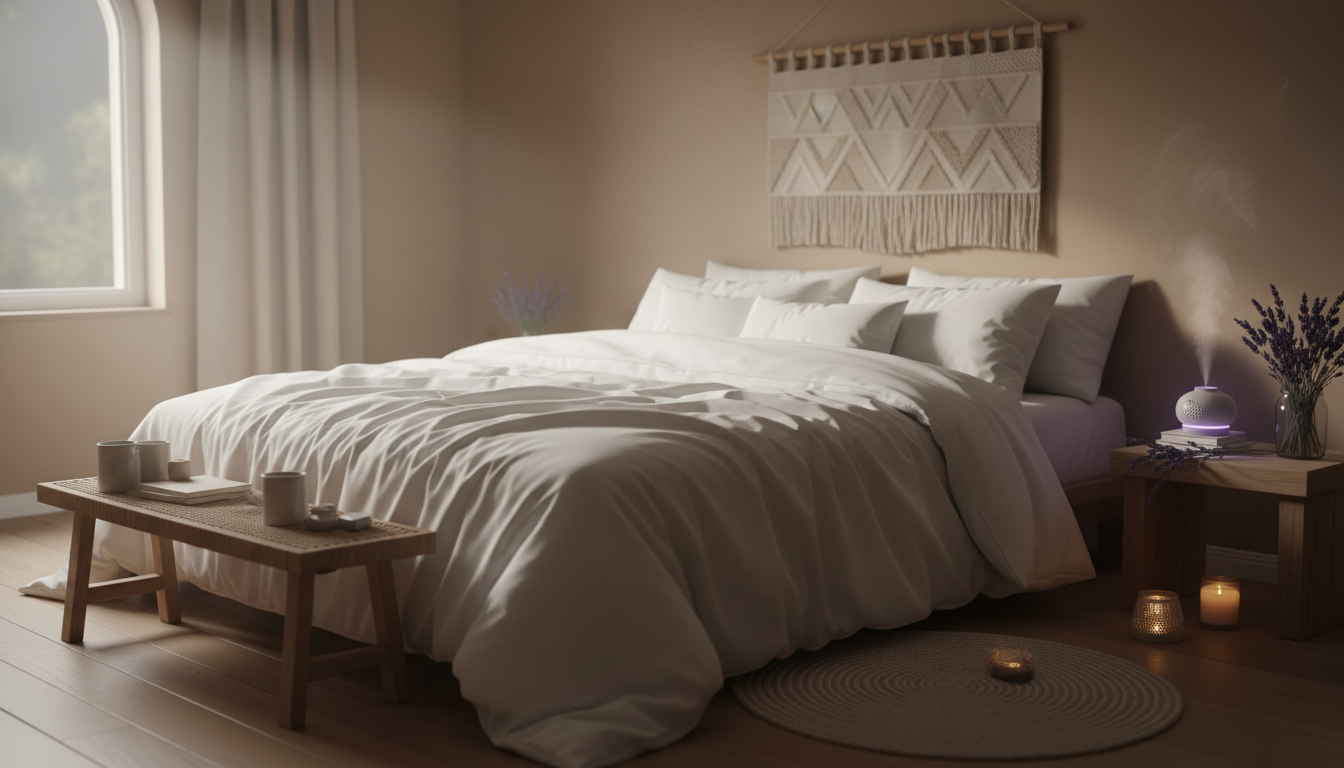
Sleep isn't a luxury—it's a biological necessity. Yet according to the CDC, one in three adults doesn't get enough sleep. Poor sleep doesn't just leave you tired; it impairs cognition, weakens immunity, increases disease risk, and damages mental health.
The good news? Sleep quality is largely within your control. This article presents evidence-based strategies to optimize your sleep and wake up refreshed.
Understanding Sleep Architecture
Sleep isn't a single state but a complex process cycling through stages: light sleep (N1, N2), deep sleep (N3), and REM sleep. Each stage serves distinct functions—memory consolidation, cellular repair, emotional processing.
How Much Sleep Do You Really Need?
The National Sleep Foundation recommends 7-9 hours for adults. Individual needs vary, but consistently sleeping less than 6 hours significantly increases health risks. Quality matters as much as quantity.
"Sleep is the golden chain that ties health and our bodies together."—Thomas Dekker
The Foundations: Sleep Hygiene Basics
1. Consistent Sleep Schedule
Your body has an internal clock (circadian rhythm). Going to bed and waking at consistent times—even on weekends—strengthens this rhythm. Research shows irregular sleep schedules disrupt metabolic health and mood.
2. Optimize Your Sleep Environment
Temperature: Keep your bedroom cool (60-67°F / 15-19°C). Core body temperature drops during sleep, and a cool room facilitates this.
Darkness: Light suppresses melatonin production. Use blackout curtains or an eye mask. Even small amounts of light (like LED clocks) can disrupt sleep.
Quiet: Minimize noise or use white noise/earplugs to mask disruptive sounds.
Comfort: Invest in a quality mattress and pillows. You spend a third of your life in bed—it matters.
3. Light Exposure Management
Light is the most powerful circadian regulator. Get bright light exposure (ideally sunlight) in the morning to set your clock. Dim lights 2-3 hours before bed. Blue light from screens suppresses melatonin for up to 3 hours—use blue-light filters or avoid screens entirely before bed.
4. Watch Your Intake
Caffeine: Has a half-life of 5-6 hours, meaning half is still in your system that long after consumption. Avoid caffeine after 2 PM.
Alcohol: While it may help you fall asleep, alcohol fragments sleep and suppresses REM. Avoid within 3 hours of bed.
Heavy meals: Finish dinner 3 hours before bed. Digestion interferes with sleep.
Advanced Techniques for Falling Asleep
5. The 10-3-2-1-0 Formula
- 10 hours before bed: No more caffeine
- 3 hours before bed: No more food or alcohol
- 2 hours before bed: No more work
- 1 hour before bed: No more screens
- 0: Number of times you hit snooze in the morning
6. The Military Sleep Method
Developed to help soldiers sleep anywhere, this technique involves: (1) Relax your facial muscles, (2) Drop your shoulders and relax arms, (3) Breathe slowly while relaxing your chest, (4) Relax your legs, (5) Clear your mind for 10 seconds. With practice, this can induce sleep in under 2 minutes.
7. Cognitive Shuffle Technique
Insomnia often involves racing thoughts. The cognitive shuffle technique disrupts this: Think of a random word (e.g., "bedtime"). For each letter, think of words starting with that letter. B: banana, butterfly, balloon... This engages your mind just enough to prevent worry but not enough to wake you.
8. The 4-7-8 Breathing Method
Developed by Dr. Andrew Weil: Exhale completely through your mouth. Close your mouth and inhale through your nose for 4 counts. Hold your breath for 7 counts. Exhale through your mouth for 8 counts. Repeat 3 times. This activates the parasympathetic nervous system.
9. Progressive Muscle Relaxation
Starting with your toes, tense each muscle group for 5 seconds, then release. Move progressively up your body. This somatic practice releases physical tension that may be keeping you awake.
What to Do When You Can't Sleep
The 20-Minute Rule
If you're not asleep within 20 minutes (or wake and can't return to sleep), get up. Do something quiet and boring in dim light until you feel sleepy. Lying in bed awake trains your brain to associate bed with wakefulness.
Worry Dump Before Bed
Keep a "worry journal" by your bed. If thoughts are keeping you awake, write them down. This externalizes worries, signaling to your brain they're stored and can be addressed tomorrow.
Reframe Sleep Anxiety
Paradoxically, trying hard to sleep prevents sleep. Instead, practice "sleep effort reduction"—focus on rest rather than sleep. Even lying quietly with eyes closed provides significant recovery.
Lifestyle Factors for Better Sleep
Exercise (But Time It Right)
Regular exercise significantly improves sleep quality—but not right before bed. Exercise raises core temperature and cortisol; finish vigorous exercise at least 3 hours before bed. Morning or afternoon exercise is ideal.
Manage Stress and Anxiety
Stress is the number one cause of insomnia. Develop daytime stress management practices: meditation, journaling, therapy. You can't expect to carry stress all day then instantly relax at bedtime.
Naps: Friend or Foe?
Short naps (20 minutes) can boost performance without affecting nighttime sleep. Longer naps or napping after 3 PM can interfere with nighttime sleep. If you have insomnia, avoid napping entirely.
When to Seek Professional Help
If sleep problems persist despite good sleep hygiene, consult a healthcare provider. You may have a sleep disorder requiring specific treatment:
- Sleep apnea: Breathing interruptions during sleep
- Restless legs syndrome: Uncomfortable leg sensations and urge to move
- Chronic insomnia: Difficulty sleeping 3+ nights per week for 3+ months
Cognitive Behavioral Therapy for Insomnia (CBT-I) is the gold-standard treatment, more effective long-term than sleep medications.
Evening Reflection for Better Sleep
A brief evening reflection practice can significantly improve sleep. Processing the day's events before bed prevents them from cycling through your mind all night.
Soul Compass's evening reflection mode helps you close the day mindfully, releasing worries and cultivating gratitude—both proven to enhance sleep quality. A calm mind is the best sleep aid.
Written by
Soul CompassEntrepreneur with 20+ years in tech. Exploring the intersection of logic and intuition.